What Are the Best Pairings Between Local Cheeses and White Wines?
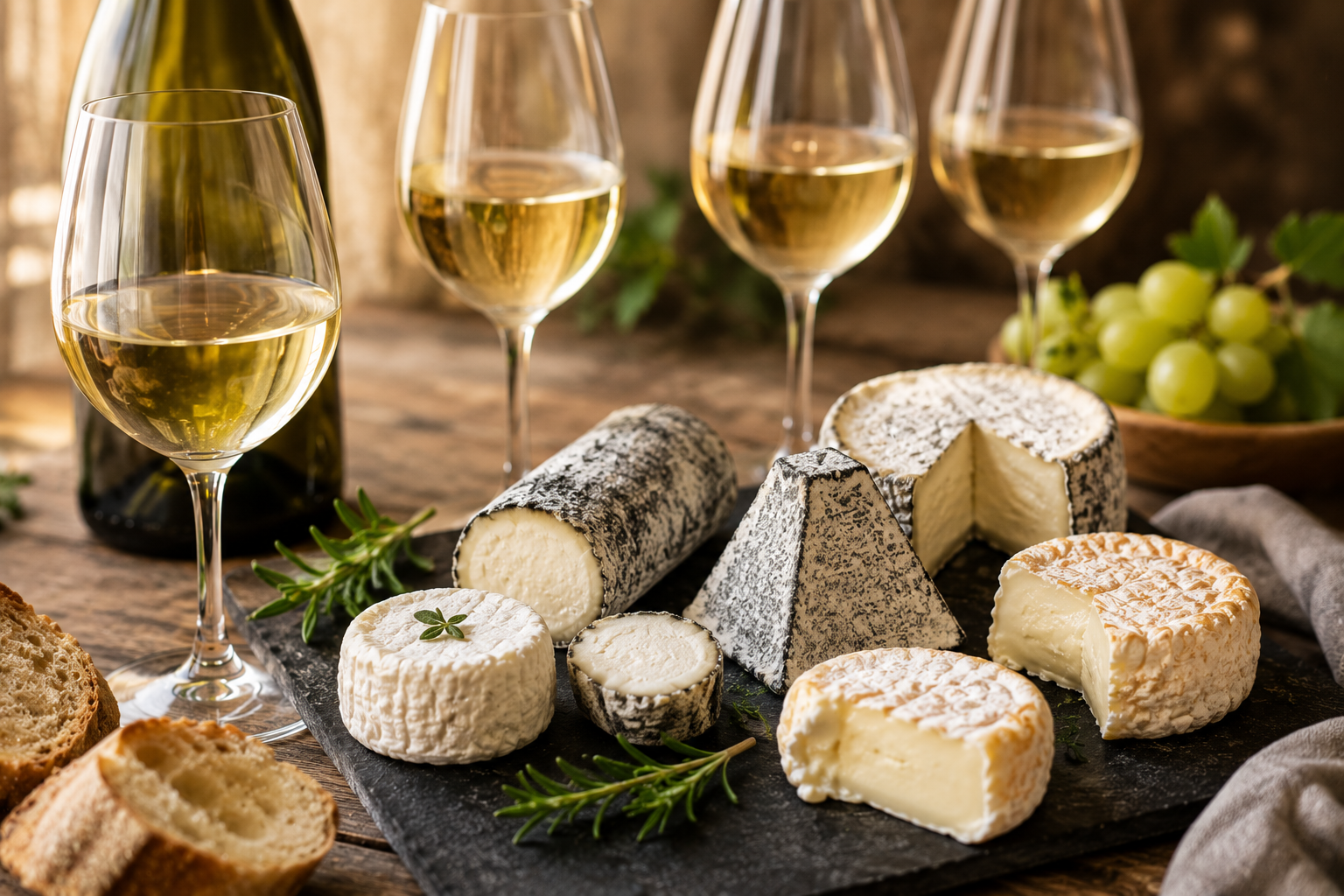
Pairing cheese with white wine is a true art of tasting. Contrary to popular belief, white wine is often better suited than red wine to accompany a wide range of cheeses. Thanks to its freshness, acidity, aromas and elegance, it enhances the cheese without overpowering its character.
Whether you are preparing a cheese board, enjoying a meal with friends or planning a tasting, discover how to choose the best white wine pairings according to the type of cheese.
Why Choose White Wine with Cheese?
For many years, red wine was considered the perfect companion to cheese. Today, however, sommeliers tend to recommend dry white wines, which often offer a more harmonious balance.
A dry white wine generally has a refreshing acidity that helps balance the richness and creaminess of cheese. This contrast brings greater lightness to the palate while allowing the full aromatic complexity of the products to shine through.
By contrast, red wine can sometimes accentuate the tannins of certain cheeses, creating a metallic or bitter sensation. Of course, some red wine and cheese pairings work wonderfully, but white wine is often the more harmonious choice.
The Best Pairings According to the Type of Cheese
Goat's Cheese
Whether fresh or matured, goat's cheeses particularly appreciate lively, aromatic white wines.
One of the most famous pairings is Crottin de Chavignol with a Sancerre made from Sauvignon Blanc. This combination is considered a classic of French gastronomy.
Hard, Cooked Pressed Cheeses
Hard, cooked pressed cheeses such as Comté and Beaufort offer remarkable aromatic richness. Their buttery, nutty notes and long finish call for a wine that can match their intensity.
Vin Jaune from the Jura is often considered one of the finest partners for aged Comté. Its distinctive aromas of walnuts and spices beautifully extend the flavours of the cheese.
An elegant Burgundy Chardonnay is also an excellent alternative. Its roundness and finesse highlight the texture of the cheese without overpowering it.
Blue Cheeses
Blue cheeses such as Roquefort, Bleu d'Auvergne and other blue-veined cheeses require a different approach.
Their intensity, saltiness and creamy texture pair wonderfully with sweet, off-dry or dessert wines.
The combination of Roquefort and Sauternes has become a great French classic. The sweetness of the wine balances the saltiness of the cheese and brings out wonderfully indulgent flavours.
Soft Cheeses
Soft cheeses require a well-balanced wine that provides freshness while still offering enough body.
Depending on their level of maturity, Chardonnay, a white wine from the Rhône Valley or a Corsican white wine can create a particularly harmonious pairing.
These wines often have a fruity, slightly rich character that perfectly complements the gentle creaminess of the cheese.
How to Choose the Right White Wine?
A few simple principles can help you create well-balanced wine pairings:
- Fresh cheeses pair well with light, lively wines.
- Creamy cheeses benefit from wines with greater body and texture.
- The more mature the cheese, the more structured the wine can be.
- Very salty cheeses often pair beautifully with sweet wines.
- Delicate cheeses call for elegant, refined wines.
The aim is always to preserve a balance between the intensity of the cheese and that of the wine, ensuring that neither dominates the tasting experience.
Regional Pairings: A Safe Bet
In France, the most successful pairings often come from the same region. Over the centuries, local producers have naturally developed associations between their wines and cheeses.
Some iconic examples include:
- Comté and Vin Jaune from the Jura.
- Crottin de Chavignol and Sancerre.
- Beaufort and Burgundy Chardonnay.
- Mountain cheeses and white wines from the Rhône Valley.
- Certain Corsican cheeses with Corsican white wine.
These regional pairings are a wonderful way to discover the richness and diversity of French terroirs.
Tips for Serving a Cheese Board
When serving a cheese board, there is no need to offer just one wine.
You can serve two or three different wines, allowing everyone to compare the various pairings. It is also worth taking the cheeses out of the refrigerator approximately one hour before serving, so that their aromas can fully develop.
Finally, white wines are best served between 10 and 12°C to preserve their freshness and aromatic expression.

.png)

